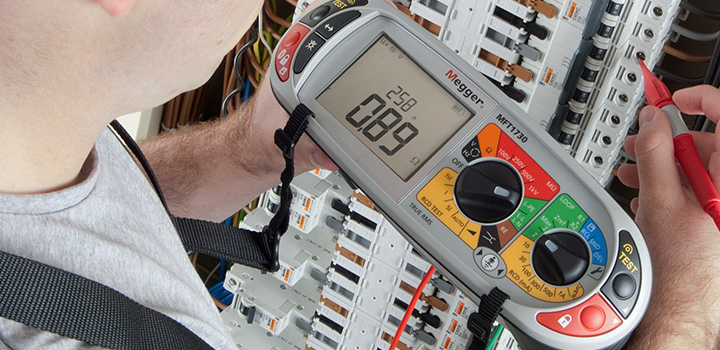
Powers that are being supplied to all buildings and houses, including the remote areas where lights are being used, are produced by electricity. Most big companies are now developing electrical powers for every building from every type of project requiring electricity. RCD testing for electrical services is among the most guaranteed quality experiences in making every home and industry safe and secure from electrical hazards and property damage.
Electrical safety regulation assesses and requires workplaces for RCDs (safety switch) protection and regular trip time testing to ensure that these devices provide adequate protection in the event of electric fatalities and hazards. As can be referenced under the section 165 of the Work Health and Safety Act 2011 of Queensland, it says that “A person with management or control of a workplace must take all reasonable steps to ensure that residual current devices used at the workplace are tested regularly by a competent person to ensure that the devices are operating effectively.”
RCD testing is done every six months to ensure safety must be done regularly, especially on construction sites that require more testing procedures that will integrate daily mechanical (switch button) testing before it will be used. For fixed RCD testing, it must require a fully licensed electrician, employed, and licensed and insured by an electrical contracting company. It is important that a licensed portable appliance testing only operates testing and tagging in companies in the state.
RCD testing may be outside the scope of their license restrictions, checking electrical contractor should be fully authorized and licensed to perform the RCD testing. For RCD testing, safety switch installed must be done to protect all socket outlets in workshops and factories in the state. RCD installed should be tested every six months utilizing all the portable electrical appliances included in testing and tagging. However, in RCD testing, low-risk working environments (such as offices) will not be included for the requirements to test and tag their portable appliances provided that these RCDs are regularly tested.
For the 131 tags, it is recommended that a holistic approach with best practice suggest appliances to be tested and tagged, circuits are RCD protected, and that RCDs are regularly tested with an operating trip time test every time. Push-button testing of your RCD is required under Australian Standards for six months, and this is done for RCDs.
RCD’s are usually designed to trip or switch off all the power to that circuit; that is why Australian and New Zealand standards detail the maximum standards that will trip times for different RCD’s. An experienced technician will be testing the RCD to determine whether the RCD is tripping quickly.
Because the quicker an RCD trips, the smaller the electric shock sustained by an individual. 131 tag recommends clients for RCD testing to document a risk assessment before any decisions are made. For a highly skilled team to be considered that will assist clients with this process. And this can be completed by a responsible staff member or by the technician. You are engaged to complete electrical safety services regularly.
 Commercial Electrician