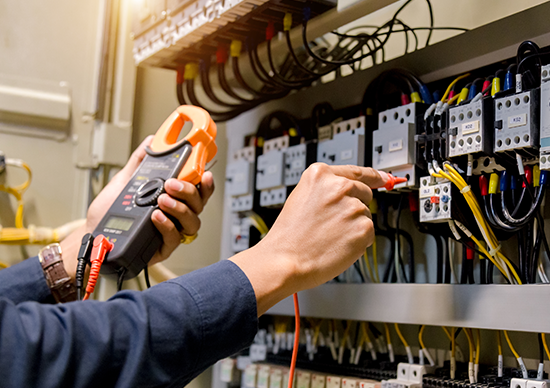
Electrical safety is a practice to maintaining and handling electrically powered equipment. It is a set of guidelines retail owners and employees follow to mitigate electrical hazards and prevent dangerous incidents. Unable to adhere to electrical safety and appropriate retail electrical installations can lead to accidents, fatalities, or near misses.
Identifying hazards can increase awareness of the electrical risks, their severity, and how harmful they can be. Here are common electrical hazards in the workplace and electrical safety tips and retail electrical installations to mitigate the risks:
Exposed Electrical Parts. Open power distribution units, temporary lighting, and detached insulation parts on cords are examples of exposed electrical parts.These hazards can result in shocks and burns. Secure these items with the right guarding mechanisms and always check for any exposed parts and repair them immediately.
Overhead Power Lines. Overhead powered and energized electrical lines come with high voltages which can cause electrocution and severe burns to people. Make sure to maintain a minimum distance from overhead power lines and nearby machinery. Conduct site surveys to ensure that nothing is stored under overhead power lines. Also, ensure retail electrical installations for safety barriers and signs to warn non-electrical workers of the hazards within the vicinity.
Damaged Insulation. Inadequate or defective insulation is a hazard. When you have damaged insulation, it is essential to report it immediately. Do not attempt to cover them with electrical tape and turn off all power sources before replacing damaged insulation.
Wet Conditions. It is not safe to operate electrical equipment in wet locations. Water increases the risk of electrocution, particularly if the equipment has damaged insulation. Before energizing it, have a qualified and experienced electrician inspect wet electrical equipment.
Overloaded Circuits and Inadequate Wiring. Using wires with incorrect size for the current can result in overheating and fires. With retail electrical installations, use the correct wire for the operation and the electrical load to work on. Use the suitable extension cord designed for heavy-duty use. In addition, do not overload an outlet and use proper circuit breakers. Conduct regular fire risk assessments to identify areas at risk of bad circuits and wiring.
Additional Electrical Safety Rules
It is beneficial to know about electrical safety rules and follow them in the workplace:
When there is high voltage in the vicinity, use clear visible signs when warning people about it.
Avoid using one outlet or extension cord to power multiple pieces of equipment as this can lead to overheating and fire.
Be aware of power lines when working at height or before climbing a tree or a ladder.
Use outlet covers to avoid electrocution.
Do not pour water on an electrical fire. Instead, use fire extinguishers with a class C label for putting out electrical fires.
Check for flickering lights and fix them right away, as it can be caused by loose connections or the bulb itself needs replacement.
Pull the plug when disconnecting electrical equipment from the outlet.
Keep water and other liquids away from electrical equipment and sources of electricity.
Always ask a specialist to handle any electrical issues.
 Commercial Electrician