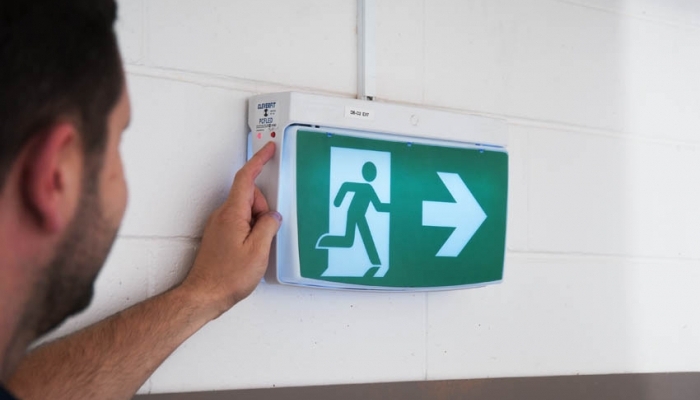
Have you imagined evacuating from a facility during an emergency? But then, you realize being surrounded by commotion and darkness? While you hold the familiarity with the facility, it can still pose hazards and bring accidents in the workplace. Evacuation lighting would indeed be a number one priority for a commercial facility. What’s more, staff would best manage the situations and would be guided about the emergency services ensuring a safer and more secure evacuation.
The installation of evacuation lighting testing is carried out thoughtfully with many factors like design, size, facility, and many more. So, follow this effective guide so you will pass the evacuation lighting testing.
Consider the Types of Evacuation Lights to Have
There will always be exit signs and emergency lights. The latter would serve its use for ensuring illumination during a power failure, particularly during emergencies. The exit signs would include ways of leaving the facility.
The standby lights would help employees so they continue with the activities or tasks relevant to power failure. The lighting would offer enough illumination in the commercial facilities. This will also make it sure that employees’ safety would be ensured by considering the failure of the standard lighting system.
The standby lights would assist forklift operators from the warehouses. This is true when it concerns parking the forklifts in their right place, particularly during power failure. This will likewise help reduce the chances of accidents.
Moreover, the pathway lights for emergencies would illuminate areas leading to exit doors. These will help facility employees to reach out the nearest exits during emergencies. They can be mounted on the ceilings at fairly equal distances, thus, ensuring proper and uniformed light distribution.
Have a Clear Understanding of the Lighting Requirements
The evacuation lighting testing will also specifically test whether the lighting requirements are met. So, all of the rules implemented by governing bodies should be met before your lighting. The exit paths would need to have enough light promising safety and visibility. In this case, opt for evacuation lighting testing following the facility requirements.
The non-maintained evacuation lighting will be turned in during emergencies. This served up its purpose as back-up battery being a power source. The maintained evacuation lighting works its best as a regular light. This will still rely much on the time and the situation. The lights would source power coming from connected batteries during power failure.
Prioritize the Facility Layout
The layout of the facility would serve an essential role in the evacuation lighting testing installation. Know first how the facility is being utilized, the employees, and the floor plan. It will rely much on the layout of the facility. Establish an evacuation lighting testing plan as much as possible.
Plus, identify the facility sections which will help employees exit the facility. Then, install the lights for those areas of ramps, corridors, stairs, and aisles.
So, don’t think twice but follow this guide to pass the evacuation lighting testing to make everything easier on your part!
 Commercial Electrician