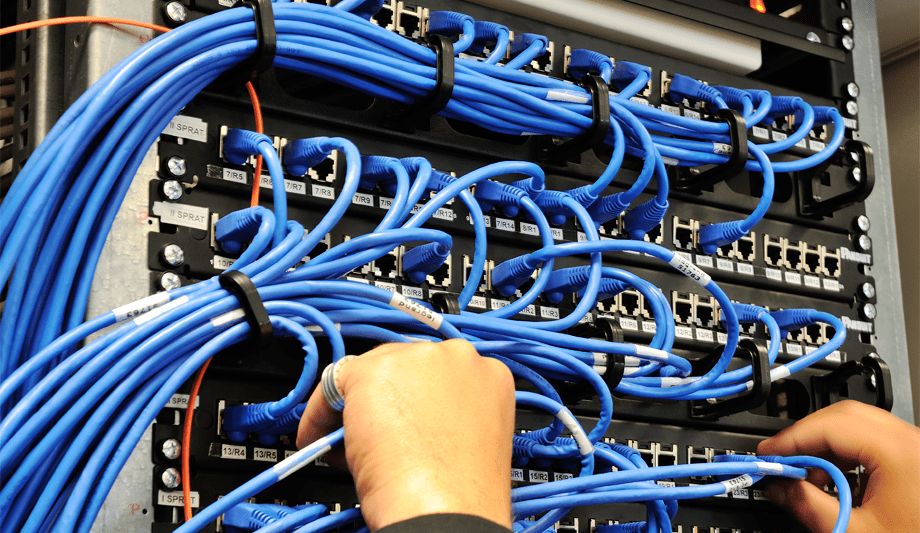
The integration of a new global wireless standard may influence data cabling services particularly in environments where a hybrid approach of wired and wireless connectivity is needed. It could impact the design of cabling infrastructure to support seamless connectivity between wired and wireless systems may be an increased emphasis on environmentally sustainable cabling solutions and practices. This includes energy-efficient cabling, recyclable materials and eco-friendly manufacturing processes as the deployment of artificial intelligence and automation in network management may influence data cabling services. Intelligent systems could be used for predictive maintenance, automated troubleshooting and optimising the performance of the cabling infrastructure as future cabling services are likely to focus on creating flexible and modular cabling infrastructures. These can easily adapt to changes in network configurations, technology upgrades and evolving business requirements as the integration of smart building technologies including connected lighting, air quality system and building automation. It may drive changes in data cabling services given the increasing importance of cybersecurity as the data installations Brisbane may need to incorporate enhanced security measures, including encryption protocols and secure cabling practices to protect sensitive data transmitted over the network.
This involves supporting the connectivity needs of various smart devices within buildings as the rise of edge computing and decentralised network architectures may impact the design of data installations. Organiaations may require cabling solutions that can support distributed computing environments with a focus on low-latency and high-reliability connections ensuring that cabling infrastructure can seamlessly integrate with wireless access points. Others has faster speeds, lower latency and more network security devices as the expansion of power over ethernet technology is anticipated enabling the delivery of power and data over the same ethernet cable. This is particularly relevant for the growing number of devices such as internet of things devices and sensors that require both power and connectivity with the deployment of bringing faster speeds. The latency and network security as the data installations may need to adapt to support the increased speed and capacity of the wireless technologies. Using fibre optic cabling is expected to increase due to its ability to provide higher bandwidth, longer transmission distances and immunity to electromagnetic interference.
Data cabling services may see a shift towards greater reliance on fibre optics especially in data centers and high-performance computing environments as adoption of higher-speed cabling standards. As faster cabling and beyond it may become more prevalent to support faster data transfer rates especially important as organisations embrace technologies that require ultra-high-speed connectivity. As technology continues to advance, there will be a growing demand for higher bandwidth to support data-intensive applications such as augmented reality, virtual reality, high-definition video streaming. The emerging technologies in the data installations will need to accommodate the increased bandwidth requirements as the future of data cabling services is likely to be shaped by several trends and advancements in technology. These are some changes expected in the future of data cabling services by incorporating these design principles into data installations as the organisations can create a flexible and adaptable network infrastructure. It can meet the demands of a dynamic and evolving business environment with regular assessments and updates should be conducted to ensure that the cabling system remains aligned with the organisation’s changing needs.
 Commercial Electrician