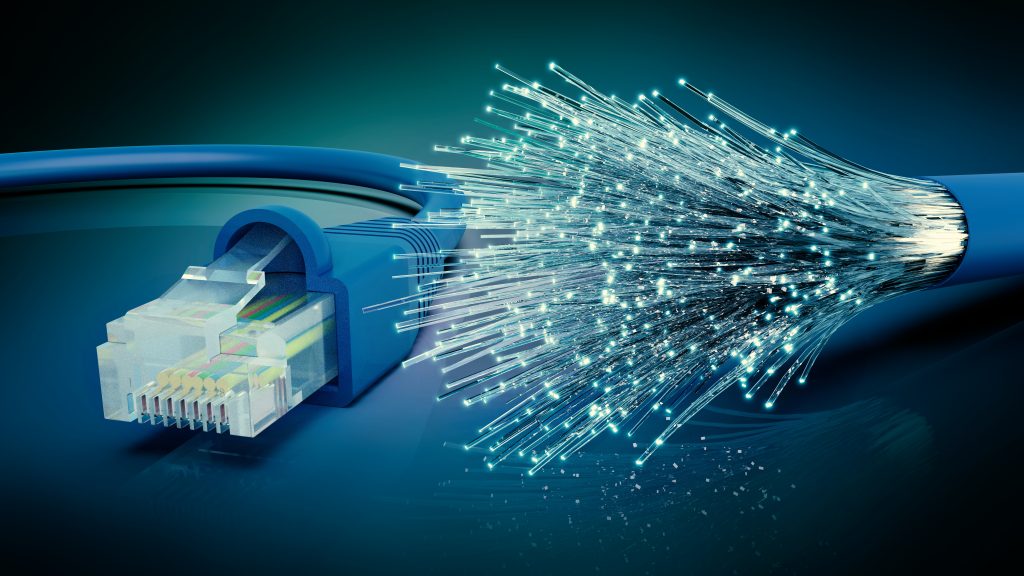
In this increasingly interconnected world, data installations have emerged as the unsung heroes of modern technology. The smooth transmission of data and easy access to it depends on data installations, which play a crucial part in both the support of the infrastructure of global enterprises and powering our day-to-day online activities. Here, we will discuss the significance of data installations and the factors that make them so important in the modern digital environment.
What Are Data Installations?
Data installations encompass a wide range of components and systems designed to facilitate data transmission, storage, and management. These installations include fiber-optic cables, networking equipment, data centers, and more. Data installations serve as the underlying framework that enables the transfer of digital information.
Speed and Efficiency
In an era where speed is of the essence, data installations provide the necessary infrastructure to transmit vast amounts of data at lightning-fast speeds. Whether you’re streaming a high-definition movie, video conferencing with colleagues, or conducting online transactions, data installations make these activities possible by ensuring a smooth flow of information.
Business Continuity
For businesses, data installations are the lifeline that keeps operations running smoothly. These installations support critical functions like data storage, communication, and collaboration tools. Data installations often incorporate redundancy and backup measures in system failures or disasters to ensure business continuity.
Scalability
The flexibility and scalability of data installations are crucial in today’s rapidly evolving digital landscape. As businesses and organizations grow, their data needs expand accordingly. Data installations are designed to accommodate this growth seamlessly, enabling enterprises to adapt to changing demands without major disruptions.
Data Security
Protecting sensitive data has never been more critical. Data installations play a vital role in safeguarding information through encryption, firewalls, and other security measures. Ensuring data security is not only essential for businesses but also for individuals who store personal information online.
Cloud Connectivity
The advancement of cloud computing has changed how we store and access data. Data installations provide the connectivity necessary to access cloud-based services, enabling remote storage and real-time collaboration from anywhere with an internet connection.
Infrastructure for Emerging Technologies
As emerging technologies like 5G, the Internet of Things (IoT), and artificial intelligence continue to gain prominence, data installations are at the forefront of supporting these innovations. They provide the necessary infrastructure for these technologies’ massive data transfer and processing requirements.
SEO and Online Visibility
From an SEO perspective, optimizing your website’s performance is closely tied to the quality of your data installations. Google and other search engines prioritize websites that load fast and offer a seamless user experience. Slow-loading websites due to poor data infrastructure can lower search engine rankings and decrease online visibility.
Future-Proofing
Investing in robust data installations is a way to future-proof your digital infrastructure. With technology continually advancing, having a solid foundation ensures you can adapt to new developments and stay competitive in the digital landscape.
To conclude, data installations are the unsung heroes of the digital age. They provide the swiftness, effectiveness, and safety of our online activities, ensure the continuity of our company operations, and facilitate the development of newly emerging technologies. Considering how rapidly the digital landscape changes, investing in high-quality data installations is not just a good idea; it is a requirement for maintaining connectivity and remaining competitive in the current world. Understanding the significance of data installations is necessary for navigating the increasingly digital world, regardless of whether you run a business, work in information technology, or use technology alone.

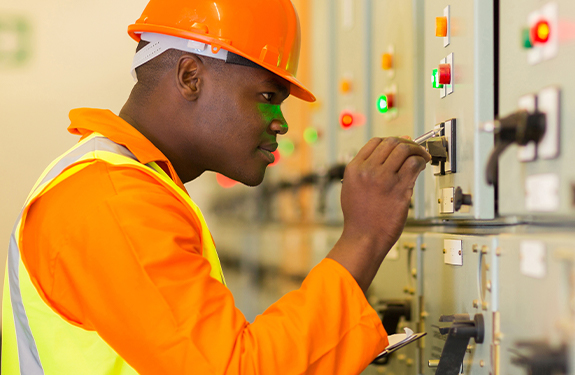
 Commercial Electrician